
The Complete Guide to Eye Care: 15 Expert Tips for Healthy Vision
Our eyes work continuously from the moment we wake up until we go to sleep. Whether you’re reading emails, driving, watching television, studying, or scrolling through your phone, your eyes rarely get a break. Despite being one of the most important organs in the body, eye health is often ignored until discomfort or vision problems begin to appear.
Modern lifestyles have increased screen time dramatically, making issues like digital eye strain, dry eyes, blurred vision, headaches, and fatigue more common than ever. The good news is that many eye problems can be prevented with simple daily habits.
In this comprehensive guide, you’ll learn practical, science-backed eye care tips to help protect your vision, reduce eye strain, and maintain healthy eyes for years to come.
Quick Answer
Healthy eyes require more than regular vision checks. A combination of proper nutrition, UV protection, limited screen strain, quality sleep, hydration, and regular eye examinations can significantly reduce the risk of many common eye problems.
Table of Contents
- Why Eye Care Matters
- Common Causes of Poor Eye Health
- 15 Expert Eye Care Tips
- Best Foods for Healthy Eyes
- Digital Eye Strain Explained
- Signs You Should Visit an Eye Doctor
- Common Eye Care Mistakes
- Frequently Asked Questions
- Final Thoughts
Why Eye Care Matters
Vision plays a major role in almost every daily activity. Healthy eyesight supports learning, work productivity, driving, sports, and overall quality of life.
Ignoring early symptoms may increase the risk of long-term vision problems. Regular eye care not only protects eyesight but can also help detect health conditions such as diabetes, high blood pressure, and certain neurological disorders.
Common Causes of Poor Eye Health
Several everyday habits contribute to eye discomfort and vision problems.
These include:
- Excessive screen time
- UV exposure
- Poor nutrition
- Lack of sleep
- Smoking
- Dehydration
- Poor lighting while reading
- Skipping regular eye exams
- Wearing incorrect prescription glasses
- Rubbing the eyes frequently
Understanding these causes is the first step toward protecting your vision.
15 Expert Tips for Healthy Eyes
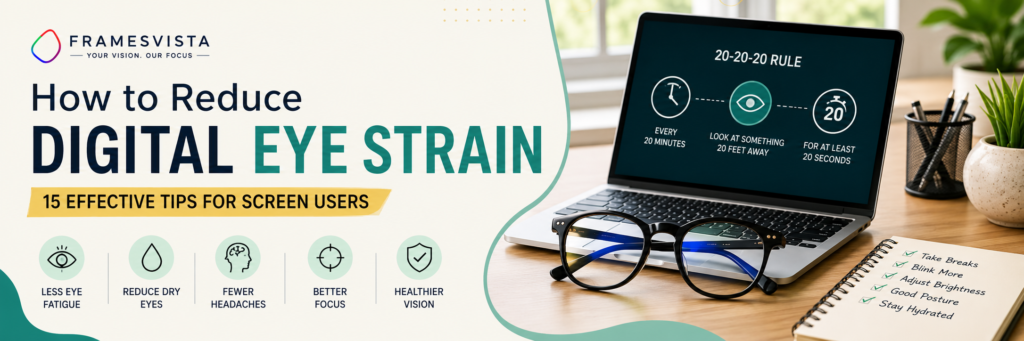
1. Follow the 20-20-20 Rule
Every 20 minutes, look at something about 20 feet away for at least 20 seconds.
This simple habit helps relax the focusing muscles inside your eyes and reduces digital eye strain.
2. Wear UV-Protective Sunglasses
Ultraviolet (UV) rays can damage your eyes even on cloudy days.
Choose sunglasses that block 99–100% of both UVA and UVB rays whenever you’re outdoors.
3. Eat Eye-Friendly Foods
A healthy diet supports long-term eye health.
Focus on foods rich in:
- Vitamin A
- Vitamin C
- Vitamin E
- Omega-3 fatty acids
- Zinc
- Lutein
- Zeaxanthin
4. Stay Hydrated
Dry eyes often become worse when your body lacks enough water.
Drinking adequate fluids throughout the day helps maintain healthy tear production.
5. Get Enough Sleep
Sleep allows your eyes to recover from daily strain.
Adults should aim for 7–9 hours of quality sleep each night.
6. Blink More Often
People naturally blink less while using computers or smartphones.
Conscious blinking helps spread tears evenly across the eye surface, reducing dryness.
7. Adjust Your Screen Position
Keep your monitor:
- About an arm’s length away
- Slightly below eye level
- Free from glare
Proper positioning reduces eye fatigue.
8. Use Proper Lighting
Avoid working in extremely bright or dark environments.
Balanced lighting minimizes unnecessary strain while reading or using digital devices.
9. Avoid Rubbing Your Eyes
Rubbing your eyes can transfer bacteria and increase irritation.
Instead, rinse your eyes with clean water if they feel uncomfortable.
10. Wear Safety Eyewear
Protective eyewear is essential when:
- Playing certain sports
- Using power tools
- Working in laboratories
- Handling chemicals
Eye injuries are often preventable.
11. Maintain a Healthy Weight
Conditions like diabetes and high blood pressure can affect vision.
Maintaining overall health also supports healthy eyes.
12. Don’t Smoke
Smoking increases the risk of:
- Cataracts
- Age-related macular degeneration
- Optic nerve damage
Quitting smoking benefits both your eyes and overall health.
13. Clean Your Eyewear Regularly
Dirty lenses reduce visual clarity.
Use a microfiber cloth and lens-safe cleaning solution to keep glasses clean without scratching them.
14. Get Regular Eye Exams
Routine eye examinations help detect problems before symptoms become noticeable.
Adults should schedule eye exams according to their eye care professional’s recommendations, especially if they have existing vision issues or risk factors.
15. Wear the Correct Prescription
Using outdated or incorrect glasses can contribute to headaches, blurred vision, and eye fatigue.
Update your prescription whenever recommended by your optometrist or ophthalmologist.
Best Foods for Healthy Eyes
Nutrition plays an important role in maintaining vision.
Consider including:
- Carrots
- Spinach
- Kale
- Sweet potatoes
- Eggs
- Salmon
- Tuna
- Oranges
- Almonds
- Bell peppers
- Broccoli
A colorful diet rich in fruits and vegetables provides antioxidants that support eye health.
Understanding Digital Eye Strain
Digital eye strain has become increasingly common because of prolonged screen use.
Common symptoms include:
- Dry eyes
- Headaches
- Neck pain
- Shoulder pain
- Blurred vision
- Difficulty focusing
- Watery eyes
Simple adjustments such as regular breaks, proper screen brightness, and correct viewing distance can greatly reduce discomfort.
When Should You Visit an Eye Doctor?
Schedule an eye examination if you notice:
- Sudden blurred vision
- Double vision
- Persistent headaches
- Eye pain
- Flashes of light
- Floaters that suddenly increase
- Difficulty seeing at night
- Frequent prescription changes
Prompt evaluation helps identify issues that may require treatment.
Common Eye Care Mistakes
Avoid these habits:
- Using phones in complete darkness
- Wearing expired contact lenses
- Sleeping with contact lenses
- Ignoring eye irritation
- Sharing eye makeup
- Skipping sunglasses outdoors
- Looking at screens for hours without breaks
Small changes can make a noticeable difference over time.
Frequently Asked Questions
How often should I get my eyes checked?
The recommended frequency depends on your age, vision, and overall health. People with existing eye conditions or diabetes may require more frequent examinations.
Can screen time permanently damage eyesight?
Current evidence suggests that screens mainly cause temporary eye strain rather than permanent vision damage. However, prolonged screen use without breaks can lead to discomfort and fatigue.
Are blue light glasses necessary?
Some people find blue light filtering lenses more comfortable during extended screen use, especially in the evening. They are not a replacement for healthy screen habits.
What vitamin is best for eye health?
Vitamin A is essential for normal vision, while vitamins C and E, along with lutein, zeaxanthin, zinc, and omega-3 fatty acids, also contribute to maintaining healthy eyes.
Can eye exercises improve eyesight?
Eye exercises may help reduce focusing fatigue for some people but generally do not correct refractive errors such as nearsightedness or farsightedness.
Final Thoughts
Healthy vision is built through consistent daily habits rather than quick fixes. Protecting your eyes with proper nutrition, regular breaks from screens, UV protection, adequate sleep, hydration, and routine eye examinations can significantly reduce the risk of many common eye problems.
Taking care of your eyes today is an investment in your long-term quality of life. Even small changes—such as wearing UV-protective sunglasses, following the 20-20-20 rule, and scheduling regular eye checkups—can have a meaningful impact over time.